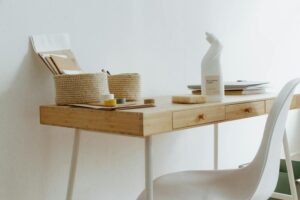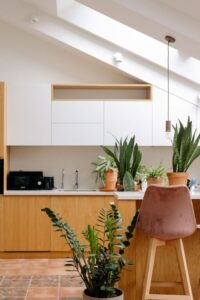
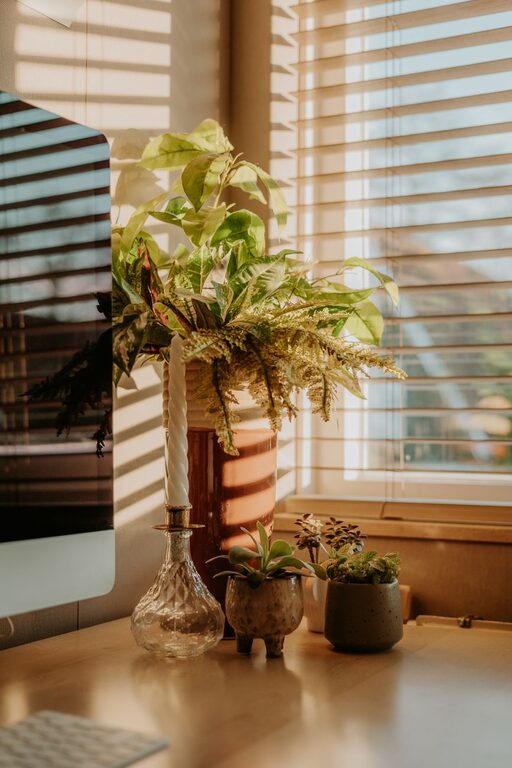
Creating a home office that balances productivity and relaxation is key to maintaining focus and reducing stress while working remotely. Whether you have a dedicated room or a small corner in your living space, the right setup can positively affect your mood and efficiency. In this post, we’ll explore simple yet effective tips to help you design a home office that works for you.
Choose the Right Location
Prioritise Natural Light
Whenever possible, position your desk near a window. Natural light helps to improve concentration and mood, making your workspace more inviting and energising. Avoid placing your screen directly opposite a window to reduce glare, but benefit from the daylight around you.
Consider Privacy and Quiet
Select a spot where you can minimise distractions. If your home is busy, a quieter room or a nook away from common areas can help maintain focus. Close doors if possible, or use noise-cancelling headphones to reduce background noise.
Invest in Comfortable Furniture
Ergonomic Chair
An ergonomic chair supports good posture, reducing strain on your back and neck during long working hours. Look for features like adjustable height, lumbar support, and comfortable cushioning.
Desk at the Right Height
Your desk should allow your arms to rest comfortably at around 90 degrees when typing. This helps prevent wrist and shoulder discomfort.
Consider a Sit-Stand Desk
If space and budget allow, a sit-stand desk can encourage movement and reduce the negative effects of sitting for extended periods.
Organise for Efficiency
Declutter Regularly
A tidy workspace boosts mental clarity. Keep only essential items on your desk and organise papers and supplies in drawers or storage boxes.
Use Storage Solutions
Shelves, filing cabinets, or baskets can help you keep your office neat. Label containers to find items quickly and avoid wasting time searching.
Manage Cables and Technology
Tidy cables with clips or sleeves to prevent a messy, tangled mess. Position your devices for easy access without overcrowding your desk.
Personalise Your Space
Add Plants
Indoor plants not only enhance the aesthetics but also improve air quality and create a calming atmosphere. Low-maintenance varieties like succulents or spider plants are ideal.
Choose Calming Colours
Soft, neutral colours such as light blues, greens, or beige can create a soothing environment. Consider these tones for walls, furniture, or accessories.
Include Personal Touches
Incorporate photos, artwork, or inspirational quotes that motivate you, but avoid overcrowding your space.
Optimise Lighting
Layer Your Lighting
Combine natural light with task lighting and ambient lights. A good desk lamp with adjustable brightness helps reduce eye strain during late hours.
Avoid Harsh Lighting
Use warm white bulbs where possible to create a comfortable atmosphere rather than stark fluorescent lights.
Maintain Good Air Quality and Temperature
Ventilation
Fresh air keeps your mind sharp. Open windows regularly or consider an air purifier if your workspace is enclosed.
Temperature Control
Keep your office at a comfortable temperature, ideally between 20°C and 22°C. Use fans or heaters as needed to avoid discomfort.
Establish Boundaries and Routine
Define Work Hours
Set clear start and finish times to maintain work-life balance. Use your home office only for work-related activities to mentally separate your professional and personal lives.
Take Regular Breaks
Stand, stretch, or take short walks to refresh your focus. Consider using timers or apps to remind you to pause.
Utilise Technology Wisely
Productivity Tools
Use tools like calendars, task managers, or note apps to organise your day efficiently.
Minimise Digital Distractions
Switch off non-essential notifications and consider apps that block distracting websites during work hours.
Keep Wellness in Mind
Stay Hydrated and Snack Smart
Keep water nearby and opt for healthy snacks to maintain energy levels.
Stretch and Move
Incorporate gentle stretches or simple exercises to avoid stiffness and fatigue.
—
Creating a home office that’s both relaxing and productive doesn’t require a complete overhaul. Small changes tailored to your preferences and needs can make a significant difference in your working experience. By focusing on comfort, organisation, and atmosphere, you’ll build a space that supports your best work every day.