
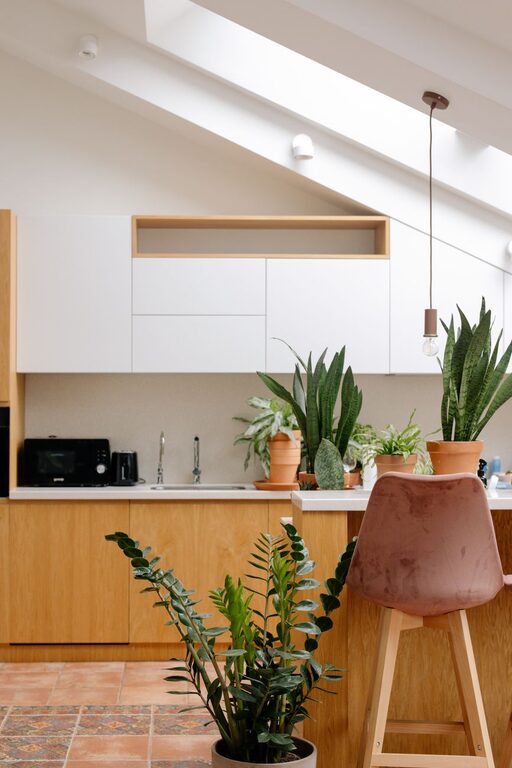
Creating a sustainable and eco-friendly home environment is not only good for the planet but can also improve your well-being and reduce household costs. Whether you live in a house or an apartment, there are many practical steps you can take to make your living space greener. This guide offers useful tips to help you transform your home into an eco-friendly haven.
Why Choose a Sustainable Home?
Sustainable living means using resources responsibly to reduce environmental impact. This can involve saving energy, cutting waste, using non-toxic materials, and choosing products that last longer. As concerns about climate change grow, making your home more eco-friendly contributes to a healthier planet for future generations.
Energy Saving Measures
Reducing energy consumption is one of the simplest ways to make your home environmentally friendly.
1. Switch to LED Lighting
LED bulbs use up to 80% less energy than traditional incandescent bulbs and last much longer. Switching your home’s lighting to LEDs can lower your electricity bills and reduce carbon emissions.
2. Use Energy-Efficient Appliances
When replacing appliances, look for those with an energy efficiency rating of A++ or higher. Energy Star-rated products use less power and water, saving resources over time.
3. Insulate Your Home Properly
Good insulation keeps your home warm in winter and cool in summer, reducing the need for heating and air conditioning. Check your walls, roof, floors, and windows to prevent heat loss.
4. Consider Renewable Energy Options
If feasible, installing solar panels can generate your own renewable electricity. Even a small solar water heater can lower your energy usage significantly.
Water Conservation Tips
Water is a precious resource, and saving it can easily be incorporated into daily routines.
1. Fix Leaks Promptly
A dripping tap may seem minor but can waste thousands of litres a year. Regularly check for and repair leaks in taps, toilets, and pipes.
2. Install Water-Efficient Fixtures
Look for taps, showerheads, and toilets that have water-saving features. Low-flow devices use less water without compromising performance.
3. Use Rainwater Gardening
Collecting rainwater with barrels or tanks allows you to water plants and gardens naturally. This reduces mains water use and supports sustainable gardening.
Waste Reduction Strategies
Minimising waste helps prevent pollution, saves landfill space, and reduces the demand for new products.
1. Embrace Recycling and Composting
Separate your waste correctly according to local guidelines. Composting food scraps and garden waste turns rubbish into nutrient-rich soil.
2. Avoid Single-Use Plastics
Use reusable shopping bags, containers, and bottles. Choosing products with minimal packaging also lowers plastic waste.
3. Donate or Repurpose
Before throwing items away, consider if they can be donated, sold, or creatively repurposed. This extends the life of goods and decreases landfill waste.
Choosing Eco-Friendly Materials and Furnishings
The materials you use in your home affect both indoor air quality and the environment.
1. Opt for Natural, Non-Toxic Materials
Furniture, paint, and flooring made from natural fibres and low-VOC (volatile organic compounds) materials improve air quality and reduce harmful toxins indoors.
2. Buy Second-Hand or Sustainably Made Products
Second-hand furniture and recycled materials reduce demand for new resources. Products certified by environmental standards ensure responsible production.
Green Gardening and Outdoor Spaces
Your garden or balcony can also contribute to sustainability.
1. Plant Native Species
Native plants require less water, support local wildlife, and generally need fewer chemicals to thrive.
2. Use Organic Gardening Methods
Avoid synthetic fertilisers and pesticides. Composting and natural plant care maintain soil health and encourage biodiversity.
3. Create Wildlife Habitats
Bird feeders, insect hotels, and pond features can encourage wildlife to flourish in your outdoor space.
Everyday Lifestyle Changes
Small habits add up to make a big difference.
– Turn off lights and electronics when not in use.
– Air-dry clothes instead of using a tumble dryer.
– Use natural cleaning products with eco-friendly ingredients.
– Plan meals to reduce food waste.
Final Thoughts
Creating a sustainable and eco-friendly home is achievable in simple steps, whether you start small or make larger changes. By saving energy, reducing waste, conserving water, and choosing better materials, you protect the environment and create a healthier place to live. Every effort counts towards a greener lifestyle.
Start today by picking one or two tips that fit your home and lifestyle. With time, these actions can become second nature and inspire others in your community to join the movement towards environmental responsibility.