
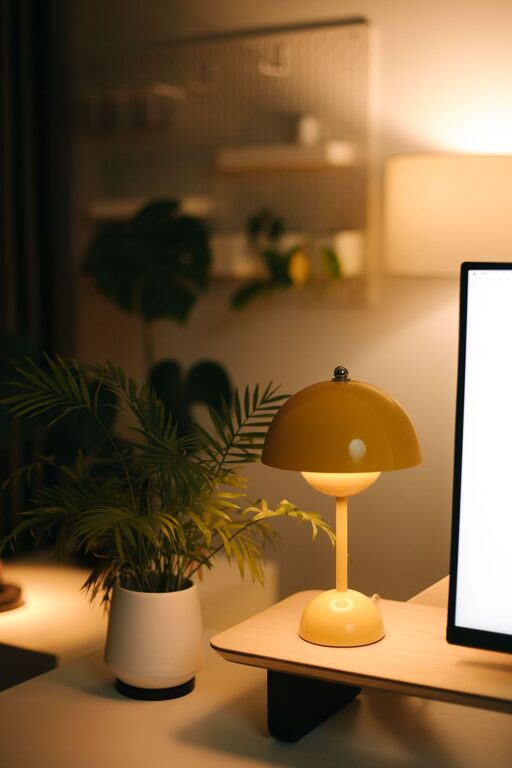
Creating a cosy and inviting home workspace is essential for maintaining focus and motivation while working remotely. Whether you have a dedicated room or a small corner in a shared space, a well-designed workspace can make a notable difference in your daily routine. This article explores practical tips to help you transform your area into a comfortable, inspiring place that encourages productivity and wellbeing.
Choose the Right Location
Selecting the right spot for your workspace is the first and most important step. Ideally, find a quiet area with minimal distractions and good natural light. Natural light reduces eye strain and improves mood, so position your desk close to a window if possible.
If space is limited, consider multi-purpose furniture or portable accessories, such as a foldable desk or a lap desk, to maximise flexibility.
Invest in Comfortable Furniture
Comfort plays a key role in creating an inviting workspace. Choose an ergonomic chair that supports your posture during long working hours. Look for adjustable seats with lumbar support, so you can tailor it to your needs.
Similarly, select a desk with sufficient surface area to accommodate your computer, documents, and any other items you regularly use, without feeling cluttered. Keep your feet flat on the floor or use a footrest to avoid strain.
Add Warm and Soft Textures
Incorporate soft materials like cushions, plush rugs, or throws to add warmth and tactile comfort. Soft textures not only make the space feel more relaxing but can also improve acoustics by absorbing sound.
Choose fabrics in neutral or pastel shades for a calming effect, or go for your favourite colours to personalise the space.
Personalise with Meaningful Items
Adding personal touches can make your workspace feel welcoming and help maintain motivation. Consider displaying photos, artwork, or mementoes that inspire you. Keep decorations minimal and purposeful to avoid visual clutter.
Plants are a fantastic addition, too — they purify the air, add a splash of green, and create a connection with nature that many find calming.
Organise for Clarity and Efficiency
An organised workspace promotes focus and reduces stress. Invest in storage solutions like shelves, drawers, or desk organisers to keep essential items within reach and unused belongings out of sight.
Try to keep your desktop clear at the end of each day to create a fresh start for the following morning.
Use Appropriate Lighting
While natural light is ideal, sometimes additional lighting is needed, especially during shorter daylight hours. Desk lamps with adjustable brightness and warm-toned bulbs can reduce eye strain and create a cosy atmosphere.
Avoid harsh overhead fluorescents and position lights to eliminate shadows or glare on your screen.
Incorporate Calming Colours
Choosing the right colour palette can have a subtle but powerful impact on your mood. Soft blues, greens, and neutral tones typically promote calmness and concentration. If you prefer brighter colours, consider adding them through accessories rather than painting the entire room.
Control Temperature and Ventilation
A comfortable temperature and good air circulation are crucial for concentration. If possible, open a window regularly or use a fan or air purifier to maintain fresh air. Use a small heater or blanket during colder months to keep warm without needing to heat the whole home excessively.
Minimise Noise and Distractions
Try to reduce background noise with thick curtains, rugs, or acoustic panels. If loud noises are unavoidable, noise-cancelling headphones can help you stay focused.
Inform household members of your working hours to limit interruptions and create boundaries between work and personal life.
Stick to a Routine and Take Breaks
Finally, no workspace is complete without healthy habits. Set regular working hours and take short breaks to stretch or relax your eyes. A cosy and inviting environment supports these habits by making your workspace a place you look forward to using.
—
By following these tips, you can create a home workspace that is both cosy and efficient. A space that looks good and feels comfortable can enhance your productivity and wellbeing, making remote work a much more enjoyable experience.