
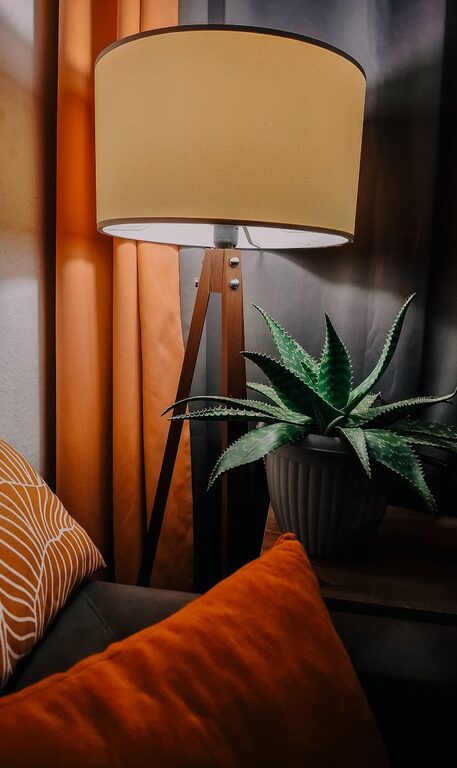
Creating a living room that feels cosy and inviting is an ambition many homeowners share. After all, this space is often the heart of a home—a place where friends and family gather to relax, chat, and enjoy each other’s company. Whether you have a large lounge or a small sitting area, there are simple ways to enhance warmth and comfort in your living room without a complete overhaul. In this post, we’ll explore practical tips to help you design a welcoming living room where you’ll love spending time.
1. Choose Warm and Soothing Colours
One of the easiest ways to make a living room feel cosy is through colour. Warm tones and neutral shades naturally create a soft and inviting atmosphere.
– Opt for warm neutrals: colours like beige, taupe, soft grey, and creamy white provide a calming backdrop.
– Add accent colours: incorporate warm hues such as terracotta, mustard yellow, or muted reds through cushions, throws, or artwork.
– Consider paint finishes: matt or eggshell paints often look softer than glossy ones, helping to avoid harsh reflections.
Colours can dramatically influence mood, so aim to select shades that evoke calm and comfort.
2. Layer with Textiles and Soft Furnishings
Textures add depth and tactile comfort, making a space feel homely.
– Invest in comfy cushions and throws: a mix of fabrics like velvet, wool, or cotton invites relaxation.
– Use rugs to define areas: rugs not only add warmth underfoot but also help to anchor furniture and add colour or pattern.
– Add curtains or blinds: soft curtains can dampen sound and soften natural light, creating a snug atmosphere.
Don’t hesitate to combine different textures to create a rich, cosy feel.
3. Lighting Sets the Mood
Lighting is a crucial yet often overlooked element in creating a welcoming living room.
– Layer your lighting: combine ambient (general), task (reading), and accent (highlighting features) lighting.
– Use warm bulbs: choose light bulbs with a warm white tone (around 2700K to 3000K) rather than cool white for a softer glow.
– Incorporate dimmable lights: dimmers allow you to adjust the brightness according to the time of day or occasion.
– Add candles or fairy lights: these add a charming flicker of light perfect for evenings and enhancing cosiness.
Consider the placement carefully, ensuring that each part of the room is softly illuminated.
4. Comfortable and Functional Furniture
Choosing the right furniture is key to both comfort and making your living space welcoming.
– Prioritise comfort: select sofas and chairs with plush cushions and proper support to encourage lingering.
– Scale furniture to the room: avoid overcrowding by choosing pieces that suit the size of your living room.
– Consider multi-function pieces: ottomans with storage or nestling side tables are practical without taking up much space.
– Create conversation zones: arrange seating so people can easily talk and connect without stretching or turning awkwardly.
Remember, furniture should invite people to sit down and stay a while.
5. Personal Touches and Accessories
Your living room should reflect your personality and interests to enhance the feeling of belonging.
– Display treasured items: family photos, souvenirs, and art pieces add character and spark conversation.
– Use plants: greenery brings life and fresh air into the room, contributing to a relaxed atmosphere.
– Incorporate books and magazines: a small bookshelf or stack of favourite reads creates an inviting space for downtime.
– Add decorative trays or bowls: these can organise small items while also acting as attractive focal points.
Personal touches make a room feel lived-in and uniquely yours.
6. Optimise Layout and Flow
How you position furniture and accessories can affect the overall feeling of space and cosiness.
– Create a focal point: this might be a fireplace, a piece of artwork, or a television. Arrange seating around it.
– Allow clear pathways: maintain easy movement to avoid clutter and a cramped feeling.
– Balance the room: distribute furniture and décor evenly to avoid heavy areas or too much empty space.
– Consider scale and height: vary the height of lamps, shelves, and furniture to build visual interest.
A well-thought-out layout contributes to both comfort and practicality.
7. Add a Touch of Nature
Bringing natural elements into your living room can boost your sense of calm and wellbeing.
– Use natural materials: wood, wicker, rattan, or stone add warmth and texture.
– Fresh flowers or potted plants: these not only improve air quality but also create a refreshing atmosphere.
– Natural scents: essential oil diffusers or subtle candles with scent notes like lavender or sandalwood enhance the cosy vibe.
Nature-inspired touches help ground the space, connecting it with simpler, slower rhythms.
—
Final Thoughts
Creating a cosy and inviting living room doesn’t require a big budget or complicated renovation. By combining warm colours, comfortable furniture, thoughtful lighting, and personal touches, you can craft a space that feels both relaxing and welcoming. Take your time to experiment with different textures and layouts until you find the perfect balance that reflects your style and makes everyone feel at home.
With these tips, you’re well on your way to transforming your living room into a haven of comfort and charm. Enjoy making your space a place where memories are made.