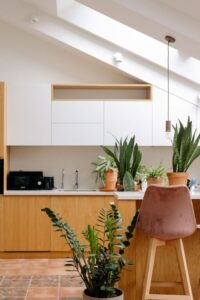
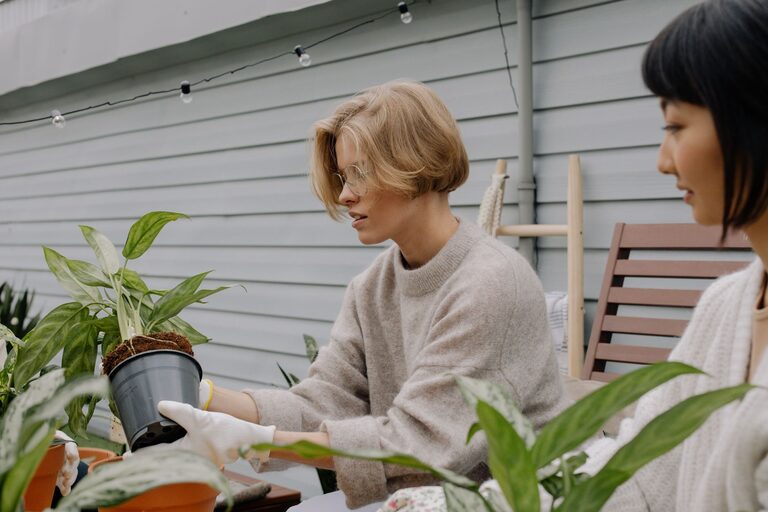
Creating a beautiful and functional home garden doesn’t have to be expensive. Whether you have a small balcony, a modest backyard, or some pots on a windowsill, there are many ways to enjoy a lovely garden space while staying within your budget. With some planning and creativity, even the simplest areas can become relaxing green retreats filled with thriving plants.
In this post, we’ll explore practical tips and tricks to help you establish and maintain an attractive garden that fits your budget.
Plan Your Garden Thoughtfully
Before you spend any money, take time to plan your garden carefully. Think about:
– The size and shape of your available space
– Your gardening goals: Do you want flowers, vegetables, herbs, or a mix?
– The amount of sunlight your garden receives
– The soil quality and drainage
– Your maintenance capacity: How much time can you dedicate?
A clear plan will help you focus your resources on plants and features that suit your space and lifestyle.
Start Small and Build Gradually
It’s tempting to jump in and buy lots of plants or decorations at once, but starting small can save money and reduce stress. Begin with a few essential plants or containers and expand your garden over time. This approach allows you to learn what grows well in your area and which plants you enjoy caring for the most.
Choose Cost-Effective Plants
Plants don’t have to be expensive to look good or be useful. Some tips:
– Opt for native or locally grown plants, which tend to be more affordable and hardier.
– Use perennial plants that come back year after year rather than annuals that you must replace.
– Consider easy-to-grow vegetables and herbs, such as lettuce, radishes, basil, and mint.
– Propagate plants from cuttings or divide existing plants to create new ones for free.
Use Recycled and Upcycled Materials
You don’t need to buy fancy pots or garden furniture. Many gardening features can be created or repurposed from materials you already have:
– Use old wooden crates or pallets as raised beds or plant stands.
– Turn broken pots into plant markers or mosaics.
– Reuse glass jars or tin cans for small containers.
– Salvage bricks or stones to edge flower beds or create pathways.
Upcycling not only saves money but also adds character and uniqueness to your garden.
Make Your Own Compost
Good soil is essential for a thriving garden, and buying bags of compost can get costly. Consider making your own compost from kitchen scraps, garden clippings, and leaves. Composting reduces waste and creates nutrient-rich soil that helps plants grow strong and healthy.
Maximise Vertical Space
If your garden space is limited, growing plants vertically can multiply your planting area without requiring more ground space. Use trellises, wall-mounted planters, or hanging baskets to cultivate climbing plants like peas, beans, or flowers such as sweet peas and nasturtiums.
Not only does this save money on buying more space, but it also creates an interesting garden layout.
Use Mulch to Save Water and Control Weeds
Mulch, such as shredded leaves, straw, or bark chips, is an inexpensive way to retain soil moisture and suppress weed growth. This means you’ll use less water and spend less time maintaining the garden. Collect natural mulch material from your garden or source it cheaply from local tree surgeons or garden centres.
Invest in Basic Tools and Maintain Them
Basic gardening tools such as a hand trowel, pruning shears, gloves, and watering can are worth investing in, as they make gardening much easier. Look for good quality secondhand tools or sales to save money. Keeping your tools clean and sharp extends their lifespan and efficiency.
DIY Garden Decorations
Add personality without overspending by making your own garden features:
– Paint stones or old pots with bright colours for a cheerful touch.
– Create bird feeders from recycled materials.
– Plant wildflower patches to attract bees and butterflies.
Crafting your own decorations can be a relaxing activity and personalise your garden uniquely.
Take Advantage of Plant Swaps and Community Gardens
Local gardening clubs, community gardens, and online groups often organise plant swaps or share seeds. Participating can introduce you to new plants, save money, and connect you with fellow gardeners for advice and encouragement.
Regular Maintenance Saves Money
Regularly weed, water, and prune your plants to keep them healthy and reduce the need for costly replacements or treatments. Catching pests or diseases early also helps avoid expensive damage.
—
By planning carefully, using affordable plants and materials, and putting in a bit of elbow grease, you can create a garden space that’s both beautiful and functional without spending a fortune. Happy gardening!